Find Your Perfect Running Partner: A Guide to Women's Running Shoes
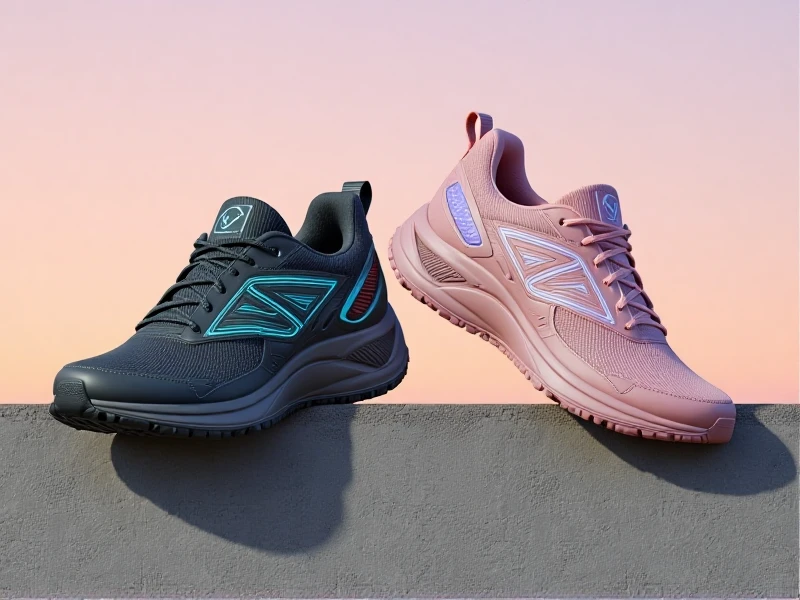
Here is a 400-word SEO-optimized article focused on "Women's Running Shoes":
Finding the right pair of women's running shoes is crucial for comfort, performance, and preventing injury. Unlike men's shoes, women's running shoes are specifically engineered for the biomechanics of the female stride, which typically includes a narrower heel, wider forefoot, and a generally different alignment of the hips and knees. Investing in proper women's trainers can transform your run from a chore to a pleasure.
With countless women's running shoes available, knowing what to look for is key. The primary factors are fit, support, and cushioning. Your foot type – whether you have high arches, flat feet, or are neutral – dictates the level of support needed. Stability or motion control shoes help correct overpronation (excessive inward rolling of the foot), while neutral cushioning shoes are ideal for runners with efficient biomechanics or supination (rolling outward).
Cushioning absorbs impact. The amount varies: maximal cushioning offers plush softness for longer distances or joint sensitivity; minimal cushioning provides a more responsive, ground-feel; and moderate cushioning balances both. Consider where you'll run most often – women's running shoes for road running differ significantly in tread and durability from trail-specific models designed for uneven terrain and obstacles.
Don't underestimate perfect fit. Sizes can vary drastically between brands and even models within the same brand. Always try on women's trainers later in the day when feet swell slightly. Leave about a thumbnail's width (roughly half an inch) of space at the toe and ensure the heel fits snugly without slipping. Walk and jog around the store to test for any uncomfortable pressure points. Width is vital; many women's running shoes come in regular and wide options to accommodate a broader forefoot.
Remember, even the best women's running shoes have a lifespan, typically 300-500 miles. Running on worn-out shoes drastically reduces support and shock absorption, leading to discomfort or potential injuries like shin splints or runner's knee. Replacing them regularly is an investment in your running health and enjoyment.
Whether you're training for a marathon, enjoying daily fitness runs, or just starting your journey, the ideal pair of women's running shoes is essential. Prioritise fit, understand your foot's support needs, choose cushioning based on your runs and preferences, and remember to replace them. Visit a reputable running store for expert gait analysis if possible – your feet, knees, and hips will thank you mile after mile. Step into comfort and performance today!