The Ultimate Guide to Finding the Best Men's Running Shoes for Peak Performance
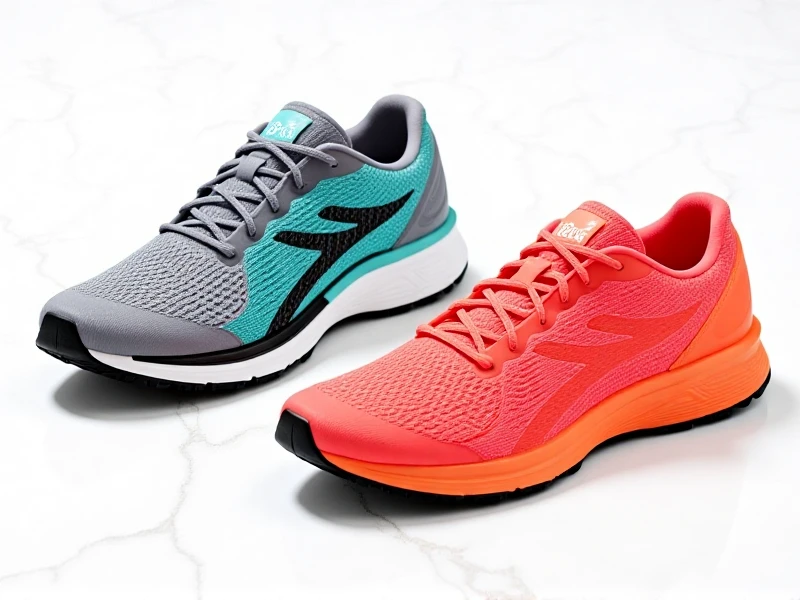
Finding the perfect pair of men's running shoes is crucial for comfort, performance, and injury prevention. With countless options flooding the market, knowing what to look for can transform your runs from a chore into a joy. This guide breaks down the essentials to help you discover your ideal footwear match.
Why the Right Shoes Matter
Running places significant stress on your feet, ankles, knees, and hips. Wearing ill-fitting or unsupportive men's running shoes can lead to blisters, shin splints, plantar fasciitis, and more serious overuse injuries. The right pair acts as shock absorbers, provides stability for your unique stride, and delivers the responsive push-off needed for efficient running. Investing wisely in quality running shoes is an investment in your running longevity and enjoyment.
Key Factors for Choosing Men's Running Shoes
- Foot Type & Gait: Understand your arch type (neutral, low, high) and pronation (how your foot rolls inward). Many specialty running stores offer gait analysis. Stability or motion control shoes benefit overpronators, while neutral runners excel in cushioned or neutral shoes. High-arched runners often need more flexibility and cushioning.
- Fit is Paramount: Your running shoes should fit differently than casual shoes. There should be about a thumbnail's width (roughly half an inch) between your longest toe and the end of the shoe. The heel should fit snugly without slipping, and the midfoot should feel secure without pinching. Always try shoes on later in the day when feet are slightly swollen.
- Running Terrain: Where will you primarily run?
- Road Running Shoes: Designed for pavement. Prioritize cushioning and are generally lightweight.
- Trail Running Shoes: Built for off-road paths. Feature aggressive outsoles for grip, enhanced protection from rocks/roots, and often added stability.
- Cross-Trainers: Versatile but not ideal for dedicated high-mileage runners.
- Cushioning Level: Preferences vary greatly. Some runners crave maximum cushioning for long distances or hard surfaces; others prefer minimalist, responsive shoes for a more natural feel and faster pace. Know your preference and the demands of your runs.
Matching Tech to Your Needs
Modern men's running shoes boast impressive technologies:
- Midsoles: Utilizing materials like EVA foam, TPU (often branded as materials like Nike ZoomX, Adidas BOOST, PWRRUN PB), these provide the critical cushioning and energy return. Consider stack height and drop (heel-to-toe offset).
- Outsoles: Durable rubber with specific traction patterns (lugs for trails, smoother patterns for roads).
- Uppers: Engineered mesh offers breathability and a secure, adaptable fit. Seamless designs reduce irritation.
Essential Tips for Success
- Always try before you buy: Walk and, if possible, jog around the store.
- Bring your own running socks.
- Replace regularly: Most running shoes lose significant cushioning and support after 300-500 miles. Don't push them beyond their lifespan.
Choosing exceptional men's running shoes isn't about the trendiest brand; it's about finding the engineered solution that complements your unique mechanics and running goals. Prioritize fit, support, and function tailored to your miles and terrain. The right pair unlocks smoother strides, happier feet, and the potential to run stronger and longer.